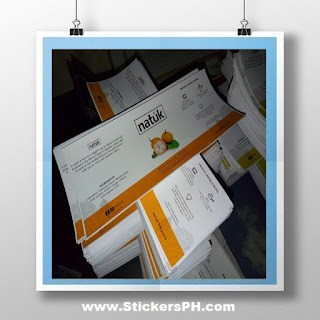
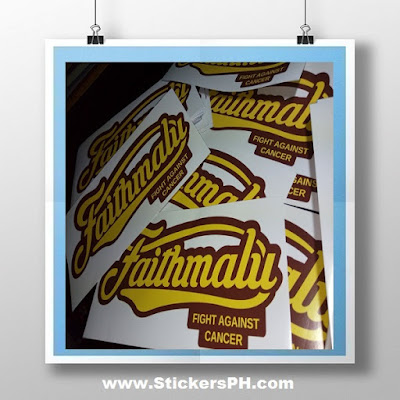
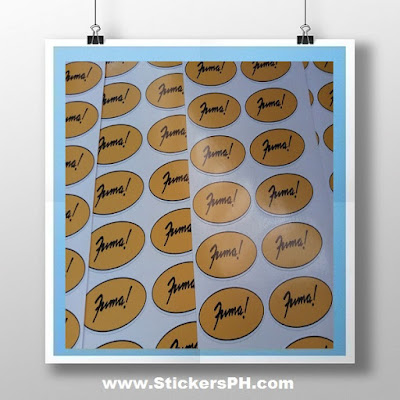
Vinyl stickers have become ubiquitous in the Philippines, adorning everything from jeepneys and motorcycles to laptops and water bottles.
Their popularity stems from their affordability, versatility, and ability to personalize everyday items. But in a country known for its intense sun, frequent rainfall, and humid climate, how long can you realistically expect your vinyl stickers to last? The answer, as with many things, is nuanced and depends on several key factors.
The primary determinant of vinyl sticker longevity is the quality of the vinyl itself. High-quality vinyl, often formulated with UV inhibitors and durable adhesives, is significantly more resilient to fading, cracking, and peeling. These premium vinyls are typically thicker and more resistant to abrasions, offering a longer lifespan, even in harsh conditions. Cheaper, thinner vinyl stickers, on the other hand, are more susceptible to degradation and may only last a few months before showing signs of wear and tear.
Printing quality and the type of ink used also play a critical role. Stickers printed with solvent inks tend to be more durable than those printed with water-based inks. Solvent inks offer superior resistance to UV rays and moisture, preventing the colors from fading prematurely. Furthermore, a protective laminate layer applied after printing acts as a shield against scratches, chemicals, and further UV damage, significantly extending the sticker's lifespan.
Environmental conditions in the Philippines present a unique challenge. The intense tropical sun can quickly fade colors, particularly vibrant reds and blues. High humidity can weaken adhesives, causing the sticker to peel away from its surface. And frequent rainfall, especially during the monsoon season, can contribute to water damage and adhesive breakdown. Stickers exposed to these conditions daily will naturally degrade faster than those in more sheltered environments.
The application surface and preparation also matter. A clean, smooth, and dry surface is essential for proper adhesion. Applying a sticker to a dusty, oily, or uneven surface will prevent a strong bond, leading to premature peeling. Similarly, choosing the right adhesive for the specific surface is crucial. Some adhesives are better suited for smooth surfaces like glass or metal, while others are designed for textured surfaces like plastic or wood.
Finally, the level of wear and tear the sticker endures will impact its lifespan. A sticker applied to a high-traffic area, like a car bumper or a frequently handled item, will be subjected to more abrasion and potential damage. These stickers may require more frequent replacement.
Considering these factors, a high-quality vinyl sticker, properly applied and protected with a laminate layer, can realistically last between 1 to 5 years in the Philippine climate. However, this timeframe can vary significantly depending on the specific conditions. Indoor stickers, shielded from direct sunlight and harsh weather, can last even longer. Conversely, stickers exposed to constant sunlight, rain, and abrasion may only last a few months.
To maximize the lifespan of your vinyl stickers in the Philippines, consider investing in high-quality materials, applying them to clean and properly prepared surfaces, and protecting them from excessive wear and tear. By taking these precautions, you can ensure that your stickers remain vibrant and eye-catching for as long as possible. Remember to ask your sticker supplier about the type of vinyl and inks used, and opt for a protective laminate to safeguard your investment.
The primary determinant of vinyl sticker longevity is the quality of the vinyl itself. High-quality vinyl, often formulated with UV inhibitors and durable adhesives, is significantly more resilient to fading, cracking, and peeling. These premium vinyls are typically thicker and more resistant to abrasions, offering a longer lifespan, even in harsh conditions. Cheaper, thinner vinyl stickers, on the other hand, are more susceptible to degradation and may only last a few months before showing signs of wear and tear.
Printing quality and the type of ink used also play a critical role. Stickers printed with solvent inks tend to be more durable than those printed with water-based inks. Solvent inks offer superior resistance to UV rays and moisture, preventing the colors from fading prematurely. Furthermore, a protective laminate layer applied after printing acts as a shield against scratches, chemicals, and further UV damage, significantly extending the sticker's lifespan.
Environmental conditions in the Philippines present a unique challenge. The intense tropical sun can quickly fade colors, particularly vibrant reds and blues. High humidity can weaken adhesives, causing the sticker to peel away from its surface. And frequent rainfall, especially during the monsoon season, can contribute to water damage and adhesive breakdown. Stickers exposed to these conditions daily will naturally degrade faster than those in more sheltered environments.
The application surface and preparation also matter. A clean, smooth, and dry surface is essential for proper adhesion. Applying a sticker to a dusty, oily, or uneven surface will prevent a strong bond, leading to premature peeling. Similarly, choosing the right adhesive for the specific surface is crucial. Some adhesives are better suited for smooth surfaces like glass or metal, while others are designed for textured surfaces like plastic or wood.
Finally, the level of wear and tear the sticker endures will impact its lifespan. A sticker applied to a high-traffic area, like a car bumper or a frequently handled item, will be subjected to more abrasion and potential damage. These stickers may require more frequent replacement.
Considering these factors, a high-quality vinyl sticker, properly applied and protected with a laminate layer, can realistically last between 1 to 5 years in the Philippine climate. However, this timeframe can vary significantly depending on the specific conditions. Indoor stickers, shielded from direct sunlight and harsh weather, can last even longer. Conversely, stickers exposed to constant sunlight, rain, and abrasion may only last a few months.
To maximize the lifespan of your vinyl stickers in the Philippines, consider investing in high-quality materials, applying them to clean and properly prepared surfaces, and protecting them from excessive wear and tear. By taking these precautions, you can ensure that your stickers remain vibrant and eye-catching for as long as possible. Remember to ask your sticker supplier about the type of vinyl and inks used, and opt for a protective laminate to safeguard your investment.
A little foresight and care can go a long way in extending the staying power of your stickers in the tropical climate of the Philippines. For any inquiries, feel free to email us and one of our friendly staff will be delighted to answer whatever questions you may have.