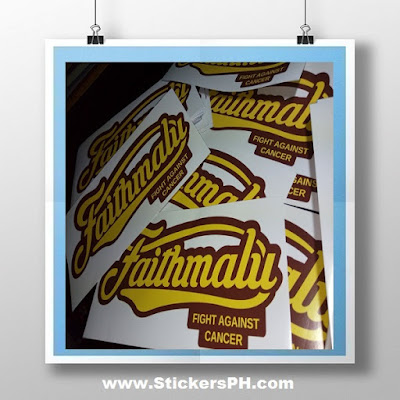
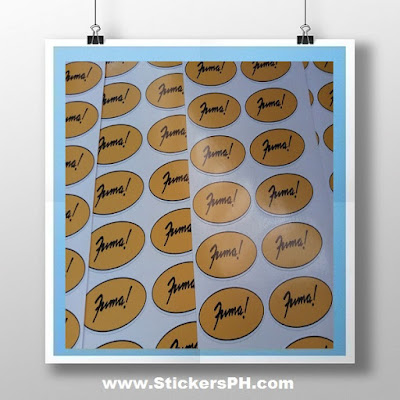
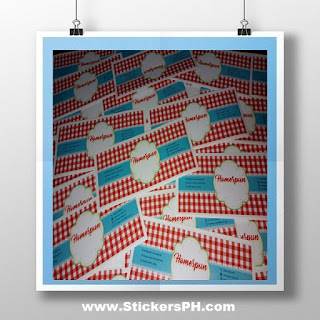
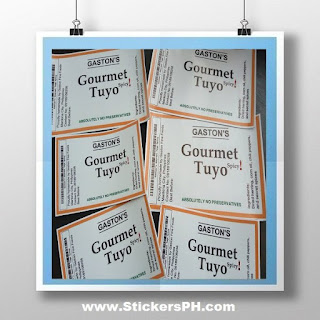
Sticker labels are ubiquitous in the Philippines, adorning everything from food packaging and product branding to promotional materials and personalized decorations.
Their affordability and versatility make them a popular choice for businesses of all sizes. However, understanding the factors that contribute to sticker label pricing can be a bit of a sticky situation. This article delves into the key elements influencing the cost of sticker labels in the Philippines, helping you navigate the market and secure the best value for your needs.
One of the most significant price drivers is the material used. Paper-based stickers are generally the most budget-friendly option, suitable for indoor use and applications where moisture resistance isn't crucial. Vinyl stickers, on the other hand, offer superior durability and resistance to water, chemicals, and UV radiation, making them ideal for outdoor applications and products that require longevity. Polypropylene (PP) stickers offer a middle ground, balancing durability and affordability. The specific type of adhesive also plays a role, with permanent adhesives costing more than removable or repositionable options. Specialty materials, such as clear vinyl, textured paper, or holographic films, further increase the price due to their unique properties and manufacturing complexities.
Size and shape undeniably impact the price, with larger and more intricate designs requiring more material and processing time. Simple square or rectangular stickers are generally more cost-effective to produce compared to custom shapes that necessitate die-cutting. Complex shapes also increase the likelihood of wasted material, contributing to higher costs. The quantity ordered also plays a significant role, with bulk orders typically enjoying significant discounts per unit. This is due to economies of scale, where the setup costs are distributed across a larger production run.
Sticker label printing method is another crucial factor. Digital printing is often preferred for smaller quantities and intricate designs with vibrant colors, offering flexibility and quick turnaround times. However, for large volume orders, offset printing is typically more cost-effective as it offers lower per-unit costs and consistent color reproduction. Understanding the strengths and limitations of each printing method is important for making an informed decision based on your specific needs and budget.
Finishing options like lamination and varnishing add an extra layer of protection and enhance the overall appearance of the sticker labels. Lamination provides a glossy or matte finish, protecting against scratches, fading, and moisture, while varnishing adds a subtle sheen and enhances the ink's durability. These finishing processes can increase the cost but significantly improve the longevity and visual appeal of the stickers, making them a worthwhile investment for certain applications.
Finally, the supplier's location and reputation can influence the pricing. Metro Manila-based printers may have higher overhead costs compared to those in other regions. Established printing companies with a proven track record and advanced equipment often charge a premium for their expertise and quality assurance. However, engaging with reputable suppliers can ensure consistent quality, timely delivery, and reliable customer service.
In conclusion, sticker label pricing in the Philippines is a multifaceted equation involving material, size, shape, printing method, finishing options, quantity, and supplier choice. By understanding these factors, businesses and individuals can effectively budget for their sticker label needs, compare quotes from different suppliers, and make informed decisions that balance cost-effectiveness with desired quality and durability. Before jumping into any purchase, it's always recommended to request samples and discuss specific requirements with potential suppliers to find the perfect sticker solution that meets your individual needs and budget constraints.
One of the most significant price drivers is the material used. Paper-based stickers are generally the most budget-friendly option, suitable for indoor use and applications where moisture resistance isn't crucial. Vinyl stickers, on the other hand, offer superior durability and resistance to water, chemicals, and UV radiation, making them ideal for outdoor applications and products that require longevity. Polypropylene (PP) stickers offer a middle ground, balancing durability and affordability. The specific type of adhesive also plays a role, with permanent adhesives costing more than removable or repositionable options. Specialty materials, such as clear vinyl, textured paper, or holographic films, further increase the price due to their unique properties and manufacturing complexities.
Size and shape undeniably impact the price, with larger and more intricate designs requiring more material and processing time. Simple square or rectangular stickers are generally more cost-effective to produce compared to custom shapes that necessitate die-cutting. Complex shapes also increase the likelihood of wasted material, contributing to higher costs. The quantity ordered also plays a significant role, with bulk orders typically enjoying significant discounts per unit. This is due to economies of scale, where the setup costs are distributed across a larger production run.
Sticker label printing method is another crucial factor. Digital printing is often preferred for smaller quantities and intricate designs with vibrant colors, offering flexibility and quick turnaround times. However, for large volume orders, offset printing is typically more cost-effective as it offers lower per-unit costs and consistent color reproduction. Understanding the strengths and limitations of each printing method is important for making an informed decision based on your specific needs and budget.
Finishing options like lamination and varnishing add an extra layer of protection and enhance the overall appearance of the sticker labels. Lamination provides a glossy or matte finish, protecting against scratches, fading, and moisture, while varnishing adds a subtle sheen and enhances the ink's durability. These finishing processes can increase the cost but significantly improve the longevity and visual appeal of the stickers, making them a worthwhile investment for certain applications.
Finally, the supplier's location and reputation can influence the pricing. Metro Manila-based printers may have higher overhead costs compared to those in other regions. Established printing companies with a proven track record and advanced equipment often charge a premium for their expertise and quality assurance. However, engaging with reputable suppliers can ensure consistent quality, timely delivery, and reliable customer service.
In conclusion, sticker label pricing in the Philippines is a multifaceted equation involving material, size, shape, printing method, finishing options, quantity, and supplier choice. By understanding these factors, businesses and individuals can effectively budget for their sticker label needs, compare quotes from different suppliers, and make informed decisions that balance cost-effectiveness with desired quality and durability. Before jumping into any purchase, it's always recommended to request samples and discuss specific requirements with potential suppliers to find the perfect sticker solution that meets your individual needs and budget constraints.
Careful planning and research will help you get the best value for your money. To request a free quote, feel free to email us and one of our friendly staff will be delighted to answer whatever questions you may have.